
Bone mineral density (BMD) results can be confusing, and a slightly negative number might cause unnecessary worry. Here’s a guide to help you understand these results better.
What BMD Reports Measure
BMD reports focus on two key areas:
- Hip: Crucial for diagnosis.
- Spine: Better for monitoring changes and response to treatment.
Interpreting the Results
The results are compared to the rest of the population using standard deviations and are presented as T-scores and Z-scores.
- Standard Deviations: Explain how results vary across a population. For example, 68% of results fall between -1 to +1, and 95% fall between -2 to +2.
- T-Score: Compares your bone density to a reference population with peak bone density (around 30 years old). Used to diagnose osteoporosis in postmenopausal women and men over 50. The World Health Organization (WHO) classifies:
- Osteoporosis: T-score < -2.5
- Osteopenia: T-score between -1.0 and -2.5
- Z-Score: Compares your bone density to someone of your age, sex, weight, and ethnicity. Used for younger individuals, especially children and adolescents. A Z-score of -1.0 means 34% lower bone density than average for someone your age, which is still normal but on the lower side.
Understanding T-Scores and Z-Scores
- T-Scores: Typically lower than Z-scores as bone density decreases with age past 30.
- Z-Scores: Consider height and weight, so smaller individuals generally have higher Z-scores than T-scores. A Z-score below -2.0 raises concern for a pathological cause like nutrient malabsorption or hyperthyroidism and requires further screening.
Osteopenia and Osteoporosis
- Osteopenia: Especially if mild and stable (e.g., -1.0 to -1.5) and not decreasing, isn’t really a medical condition but indicates bone density is in the lower part of normal. Fracture risk isn’t significantly elevated, especially if you’re young.
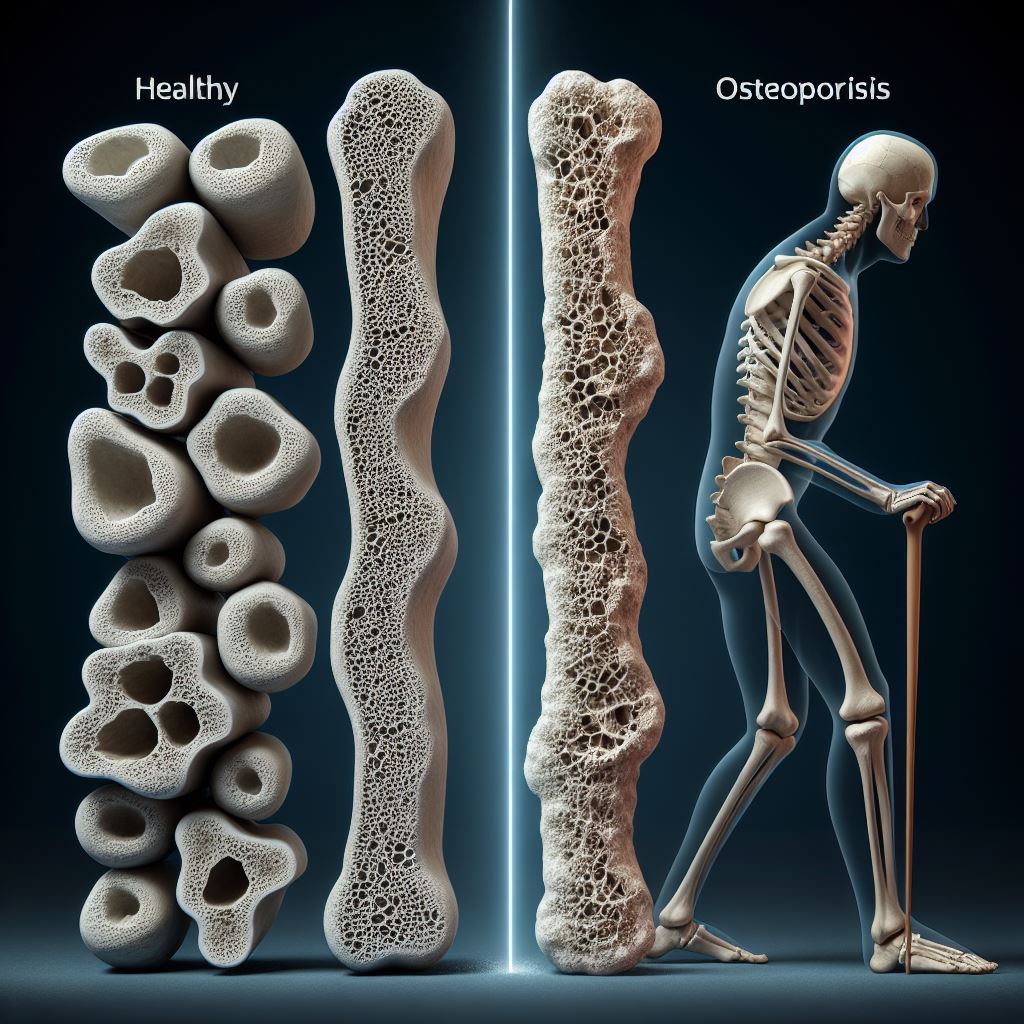
- Osteoporosis: Diagnosed with a T-score < -2.5, indicating a higher risk of fractures.
Taking Action
If you have osteopenia, it might be a good prompt to engage in lifestyle behaviors to improve bone density. Stay tuned for more tips on this soon! 😊