
Polycystic Ovarian Syndrome (PCOS)

Still breaking out — or noticing more facial hair? It might not be your skincare
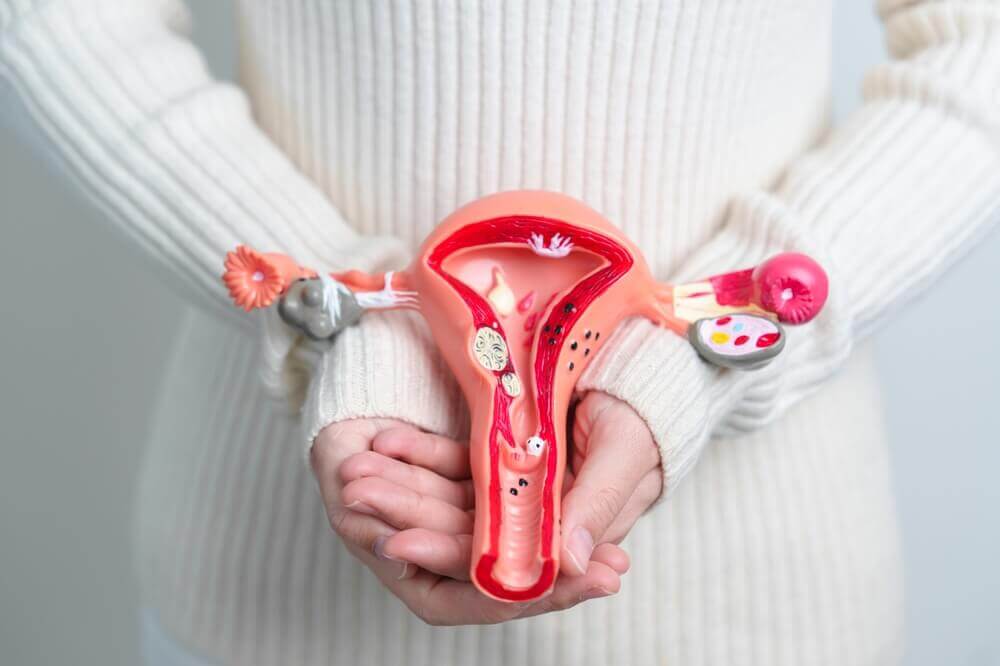
If you’re a woman over 18 struggling with persistent acne or unwanted facial hair, hormones are often the reason — and PCOS is one of the most common causes most women never know they have.
What is PCOS?
Polycystic Ovary Syndrome (PCOS) is a hormonal condition that disrupts how your ovaries work, leading to higher than normal levels of androgens (male-type hormones like testosterone). Around 1 in 8 women in Australia have PCOS Womenshealth — that’s over 1.6 million women — and up to 70% don’t know they have it. WHO
That’s a lot of women spending years treating symptoms — breakouts, facial hair, irregular periods, weight changes — without ever getting a real explanation for why.
The facial hair &acne connection
The acne connection
When androgens are elevated, oil glands in the skin go into overdrive — causing persistent, often painful breakouts that don’t respond to standard skincare or antibiotics the way typical acne does. Women with PCOS are twice as likely to have acne as women without it.
If your acne has been difficult to shift or keeps coming back, PCOS may be the underlying cause.
The facial hair connection
The same elevated androgens that drive acne also stimulate hair growth in places women don’t want it: the chin, upper lip, cheeks, chest, and abdomen. Waxing, threading, laser, and topical creams can help manage the symptom — but without addressing the hormonal cause underneath, the results are often temporary and the hair keeps returning.
If you’ve been treating facial hair for years without lasting results, it’s worth finding out whether there’s a hormonal reason behind it.
Other signs you might have PCOS
Symptoms vary widely, and you don’t need all of them for a diagnosis. Common signs include:
- Irregular, infrequent, or absent periods
- Acne or persistently oily skin
- Excess hair on the face, chin, chest, or back
- Thinning hair on the scalp
- Difficulty losing weight, or unexplained weight gain
- Dark patches of skin in body creases
- Difficulty getting pregnant
- Anxiety, depression, or low mood
You can also have PCOS with a BMI in the normal range — it’s a hormonal condition, not a weight condition.
Why it matters beyond the symptoms
Left unmanaged, PCOS increases the long-term risk of type 2 diabetes, cardiovascular disease, and endometrial cancer. Depression affects around 50% more women with PCOS than those without it PubMed Central — whether or not they’ve been diagnosed. Early detection and proper management makes a significant difference to long-term health outcomes.
How PCOS is diagnosed
How PCOS is diagnosed
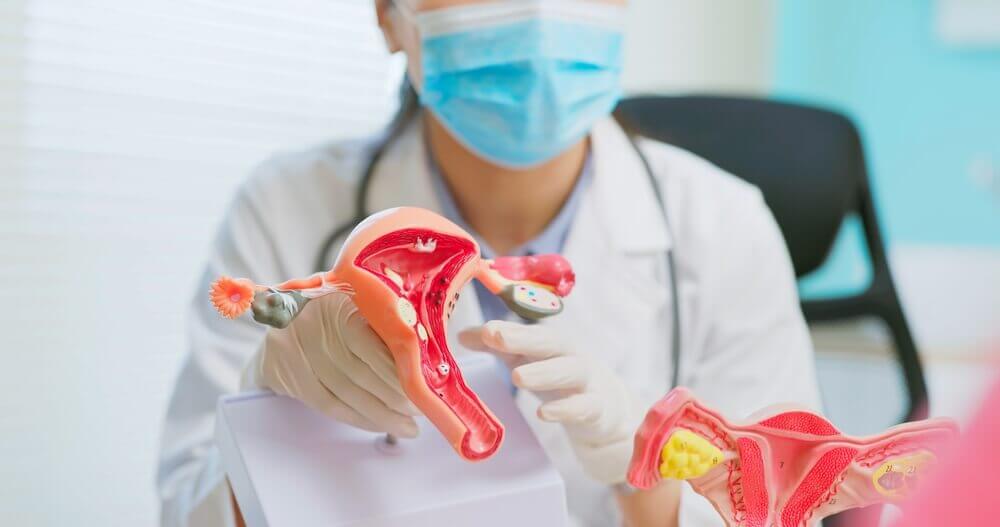
Diagnosis doesn’t require every symptom to be present. A combination of at least two of the following is typically enough: irregular periods, signs or blood tests showing elevated androgens, and polycystic ovarian appearance on ultrasound.
At The Endocrine & Wellbeing Clinic, our specialists assess the full hormonal picture — not just individual symptoms — and explain what’s driving your particular presentation.
Importance of Treating PCOS
Treatment at The Endocrine & Wellbeing Clinic goes beyond medication — we look at the full picture including nutrition, exercise, and the underlying conditions driving your symptoms.
Depending on your situation this may include:
- Lifestyle changes targeting insulin resistance, which drives many PCOS symptoms
- Metformin to improve insulin sensitivity and regulate cycles
- The oral contraceptive pill to manage acne, excess hair, and cycle regulation
- Anti-androgen medications specifically targeting facial hair and acne at the hormonal level
- Fertility support if you’re trying to conceive
Can PCOS Resolve on Its Own?
PCOS doesn’t go away, but it can be very well managed — and most women see significant improvement in symptoms with the right plan.
Would you like specialist management?
Book at appointment at Balmain or Telehealth
Dr Smith's Blog Posts on PCOS
Click to read more:
- Debunking Myths About the Oral Contraceptive Pill
- What Causes PCOS?
- Understanding PCOS and Ovarian Cysts – Key Differences and Implications
- PCOS: Is There a Best Type of Exercise for PCOS?
- PCOS vs Functional Hypothalamic Amenorrhea?
- Why do I have more body hair after coming off the Pill?
- Understanding Endometriosis – A Common Yet Often Misunderstood Condition
- Why Am I on Metformin if I Have Lean PCOS and No Insulin Resistance?
- Limitations of fasting Insulin Levels and Insulin Resistance
- PCOS does NOT cause Severe Hyperandrogenism
- PODCAST – Polycystic Ovary Syndrome PCOS
- PODCAST – LEAN PCOS
- PODCAST- PCOS Contraception Misconceptions
- PODCAST- PCOS Fertility, Weight, Balancing Hormones