
Menopause and Perimenopause

A flawed study scared a generation of women off the most effective menopause treatment available.
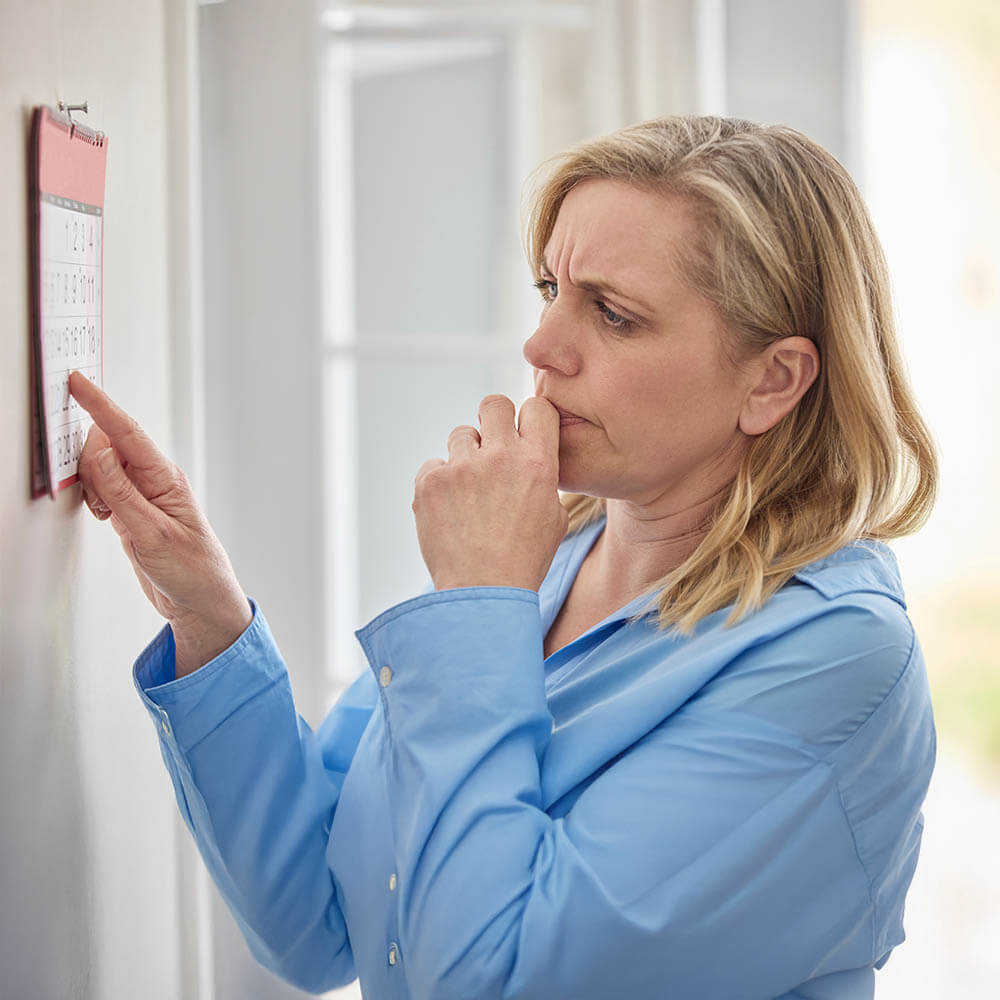
For over two decades, millions of women were told that Menopause Hormone Therapy (MHT) was dangerous — and suffered through years of symptoms that were entirely treatable. That fear was based on a misinterpretation of a single study. The science has since been reanalysed, the guidelines updated, and international medical societies now consistently support MHT as safe and effective for most women experiencing menopause symptoms.
If you’ve been told MHT isn’t safe, or you’ve been putting off getting help because you’re not sure — it’s worth getting the full picture.
What is menopause — and when does it actually start?
Menopause is technically a single day: the point after 12 consecutive months without a period. But the experience of menopause starts years earlier, during a phase called perimenopause, when oestrogen and progesterone levels begin to fluctuate unpredictably.
Perimenopause typically begins in a woman’s 40s, though for some women it can start earlier. It can last for several years. During this time, hormones fluctuate rather than decline steadily — which is why symptoms can be intense and erratic, and why blood tests often come back normal even when something clearly isn’t right.
Many women during perimenopause are told they have depression, anxiety, or a rheumatological condition. In reality, their symptoms are driven entirely by fluctuating oestrogen. Getting the right diagnosis changes everything.

Risk Factors for Menopause
Menopause is a natural part of aging, but certain factors can influence its onset and symptoms:
- Age: Menopause usually occurs between ages 45 and 55.
- Genetics: Family history can affect the timing of menopause.
- Medical treatments: Chemotherapy, radiation therapy, or surgery that removes the ovaries can induce menopause.
- Lifestyle factors: Smoking can lead to earlier menopause.
The symptoms women are told to just live with
Menopause symptoms can vary widely among women but often include:
- Hot flashes: Sudden feelings of heat, often accompanied by sweating.
- Night sweats: Hot flashes that occur during sleep.
- Irregular periods: Changes in menstrual cycle frequency and flow.
- Vaginal dryness: Discomfort during intercourse due to decreased lubrication.
- Urinary frequency: Increased need to urinate.
- Discomfort with sexual intercourse: Pain or discomfort during sex.
- Mood changes: Irritability, depression, or anxiety.
- Sleep problems: Difficulty falling or staying asleep.
- Weight gain: Changes in metabolism leading to increased body fat.
- Aches and pains: General discomfort in joints and muscles.
- Crawling or itching sensations under the skin: Unusual skin sensations.
- Forgetfulness: Memory issues, brain fog or word finding difficulties
- Headaches: Frequent headaches.
- Lack of self-esteem: Reduced confidence.
- Reduced sex drive (libido): Decreased interest in sexual activity.
- Tiredness: Persistent fatigue
- Drop in athletic performance: Decreased power or aerobic capacity
What MHT actually does — and what the evidence says
MHT is the most effective treatment for menopause symptoms. But its benefits go well beyond symptom relief, particularly when started within 10 years of your last period or before age 60.
There is emerging research suggesting MHT may reduce the risk of cardiovascular disease and dementia, and the early data is promising. However the evidence is not yet strong enough for these to be primary reasons to start treatment, and we don’t prescribe MHT principally for these purposes.
Where the evidence is very clear is bone health. MHT prevents early postmenopausal bone loss and reduces fractures PubMed Central — and this benefit is well established across multiple studies. MHT is often started purely as a treatment for osteoporosis in women who are in perimenopause or recently postmenopausal, independent of other symptoms. For women in this window, it is one of the most effective bone-protective treatments available.
For vaginal dryness and urinary symptoms, low-dose local vaginal oestrogen is the first-line treatment for genitourinary syndrome of menopause, and because absorption is minimal, it is safe for long-term use by most women — including many who are not candidates for systemic oestrogen. PubMed Central
The window matters. Initiation within 10 years of menopause is favoured for the best benefit-risk balance. MDPI The longer the gap, the more that window narrows.
Diagnostic Methods for Menopause
Perimenopause is often the most difficult period in terms of symptoms, and one of the highest-risk periods for new or recurrent depression. Yet because hormone levels fluctuate rather than fall consistently, standard blood tests frequently come back normal.
If you are in your late 30s or 40s and experiencing symptoms you can’t explain — mood changes, sleep disruption, joint pain, brain fog, irregular periods — perimenopause may be the reason, even if no one has suggested it yet.
What about the breast cancer risk?
This is the question most women ask — and it deserves a straight answer.
In Australia, 1 in 7 women — around 1,400 per 10,000 — will be diagnosed with breast cancer in their lifetime. Bcna
For women prescribed MHT close to menopause and for short-term use under five years, the additional breast cancer risk is around 3 extra cases per 10,000 women per year for oestrogen alone, and 9 extra cases per 10,000 women per year for oestrogen plus progestogen. Australasian Menopause Society That is classified as a rare risk — and it needs to be read alongside the full picture.
Other things that increase risk of breast cancer much more would be obesity, physical inactivity or regular alcohol consumptions or just one drink per day, all increase risk of breast cancer significanrtly more than MHT.
Alternatively, consider osteoporosis: the risk of dying within 12 months of a hip fracture is almost double the risk of dying within 12 months of a breast cancer diagnosis. Medscape Yet hip fracture is the condition nobody talks about when they’re weighing up whether to take MHT. MHT started within 10 years of menopause reduces the risk of bone fractures by 50 to 60%. FDA
The type of progestogen matters too. Micronised progesterone and dydrogesterone appear safer than most synthetic progestogens. Australasian Menopause Society And there is no evidence of increased breast cancer risk with vaginal oestrogen and why women with past breast cancer can safely use vaginal oestrogen. Australasian Menopause Society
Risk is individual. It depends on your baseline risk, your formulation, your dose, and your timing. That’s exactly what a specialist assessment is for.
How we approach menopause care
At The Endocrine & Wellbeing Clinic, we assess the full hormonal picture — not just whether your FSH is elevated. We consider your symptoms, your timing, your individual risk profile, and your preferences, and we explain the evidence clearly so you can make an informed decision.
MHT is not right for everyone. But for most women experiencing symptoms, the benefits outweigh the risks — and the Australasian Menopause Society guidelines support its use accordingly. Australasian Menopause Society
If you’ve been suffering through symptoms you were told to accept, or you’ve been uncertain about whether treatment is safe for you — come and have the conversation
The Australian Menopause Society and other international guidelines support the use of MHT and that the benefits outweigh the risks for most women experiencing menopause symptoms. There are clear guidelines to identify the minority of women who should not receive menopause treatment for medical reasons.
Dr Smith's Blog Posts on Menopause
Click to read more:
- Why don’t my Peri-Menopause symptoms feel better with HRT?
- Why is HRT now named Menopause Hormone Therapy?
- Anti-depressants have evidence for helping multiple conditions… not just depression
- What is PMDD Pre-menstrual dysphoric disorder?
- Training adaptions for the female athlete
- Testosterone and Testosterone Treatment in Females
- A Basic Guide to Hormone Replacement Therapy (HRT)
- Risks vs Benefits of HRT
- Are at home menopause tests accurate?
- Treating Menopause – Are we pathologising a normal physiological process?
- The Importance of Oestrogen for Women’s Health
- Does HRT cause heart disease?
- Shedding Light on Menopause and Premature Ovarian Insufficiency
- Vitamin B6 Toxicity and Neuropathy
- PODCAST – Premenstrual Dysphoric Disorder PMDD