
Osteoporosis

Osteoporosis is one of the most underdiagnosed conditions in Australia
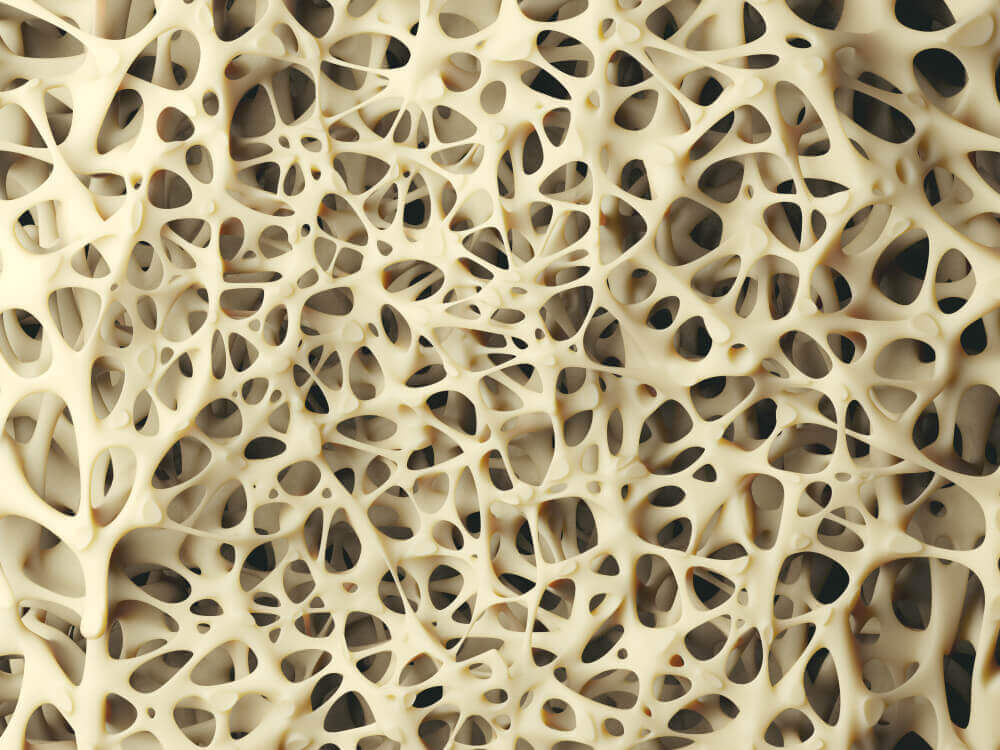
More than 1 million Australians have osteoporosis. Most don’t find out until something breaks. The Endocrine & Wellbeing Clinic helps you understand where you stand — and what to do about it.
The part most people miss
Osteoporosis has no symptoms. Bones can be quietly thinning for years before anything happens. By the time a fracture occurs — a wrist from a minor fall, a hip from nothing dramatic at all — the disease is already well advanced.
Here’s what most women don’t know: the risk of dying within 12 months of a hip fracture is almost double the risk of dying within 12 months of a breast cancer diagnosis. Medscape We screen religiously for breast cancer. We rarely think about our bones — until something breaks.
That’s not meant to scare you. It’s meant to explain why getting assessed early matters so much. Preventing that first fracture is far easier than recovering from it.
You might be at higher risk if you:
- Gender (women are at higher risk)
- Age
- Family history of fractures (broken bones)
- Low body weight or excessive weight
- Diet low in calcium and vitamin D
- Low hormone levels (e.g., early menopause, irregular or no periods, low testosterone in men)
- Post-menopausal women (due to the rapid decline in oestrogen levels)
- Hormonal conditions (e.g., thyroid conditions, diabetes, pituitary disorders)
- Lifestyle factors (smoking, excessive alcohol, little or no exercise, too much exercise leading to loss of periods)
- Eating disorders (e.g., anorexia nervosa)
- Certain medications (e.g., long-term corticosteroids for asthma, rheumatoid arthritis, and other inflammatory conditions)
What getting assessed actually looks like
A bone density scan (called a DEXA scan) is simple, painless, and takes about 15 minutes. It measures the density of your hip and spine and gives us a clear picture of your bone health right now.
From there, our specialists will explain exactly what your results mean, what’s driving any bone loss in your case, and what combination of lifestyle, diet, and — where needed — medication will make the biggest difference.
How we treat it
Treatment at The Endocrine & Wellbeing Clinic goes beyond medication — we look at the full picture including nutrition, exercise, and the underlying conditions driving bone loss.
For most people this means a combination of:
- Ensuring adequate calcium and vitamin D
- Weight-bearing and balance exercises to protect bone and reduce fall risk
- Medication to slow bone loss or increase bone density where needed
- Managing any underlying hormonal or medical conditions contributing to bone loss
Early detection makes a significant difference. The goal is always to prevent the first fracture — or if one has already occurred, to make sure it’s the last.
Why this needs a specialist
Bone health sits at the intersection of hormones, diet, medication, and underlying conditions — all of which affect each other. GPs do a great job of identifying risk, but managing osteoporosis well often requires unpacking the full medical picture underneath it.
The Endocrine & Wellbeing Clinic specialises in exactly this. Our doctors see patients with osteoporosis, fragility fractures, calcium disorders, and bone loss driven by underlying medical conditions — and translate complex results into a plan that actually makes sense for your life.
Would you like specialist management?
Dr Smith's Blog Posts on Osteoporosis
Click to read more:
- Osteoporotic Fractures and Mortality Risk
- Should I take a calcium supplement for my bone health
- Depo-Provera Contraception lowers bone density and should generally not be used for long-term contraception
- The Importance of Re-Fracture Prevention and Understanding Bone Density
- Understanding Atypical Femoral Fractures
- Understanding Bone Density Loss During Pregnancy and Breastfeeding
- Decoding Bone Mineral Density (BMD/DEXA) Results
- Prolia should I keep taking it?
- Understanding Calcium Levels and Bone Health
- Hormonal Contraception and Bone Health: A Complex Relationship
- PODCAST – Can you reverse Bone Density?